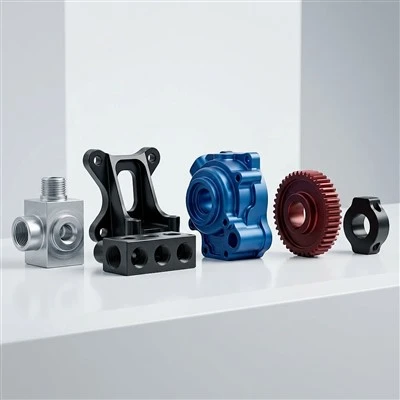
Hello! As a deburring supplier I am often asked what is the difference between deburring and edge finishing. It's a frequently asked question and it's good to know the difference between these two processes especially if you are in the manufacturing industry. In this blog article I will explain what deburring and edge finishing are, how they differ and why they matter.
What is Deburring
Deburring is the process of eliminating burrs, which are little undesirable fragments of material remaining after a machining operation. These burrs are sharp and abrasive and can be a concern in the final result. ...they can affect the fit and function of parts, cause injury to workershandling the parts, or even influence the aesthetics of the product.
There are many methods of deburring for different types of materials and burrs. Common deburring methods include:
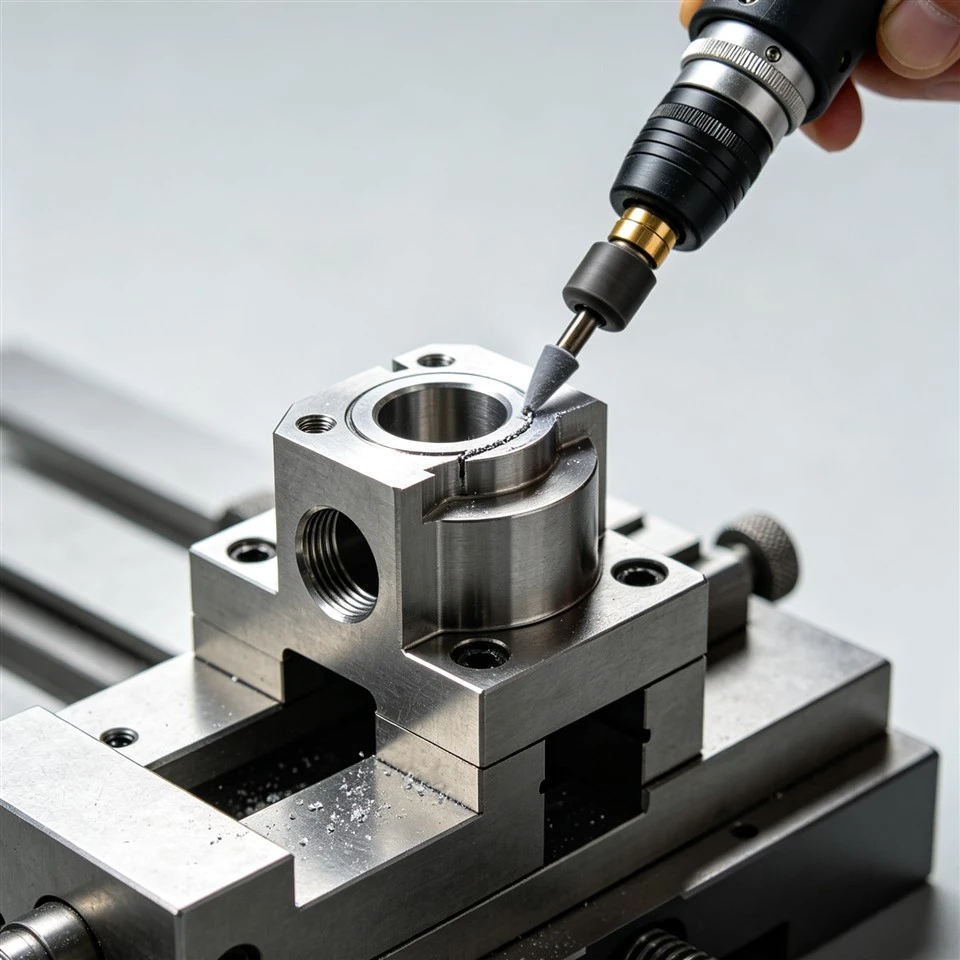
Mechanical Deburring: This is the physical removal of burrs with files, sandpaper or abrasive wheels. It is a simple and cheap method but it can be time consuming and not suitable for complex parts.
Chemical Deburring: This procedure involves soaking items in a chemical solution to remove the burrs. Chemical deburring is a good process for hard to reach locations and can be highly exact, however care must be taken with the chemicals
Thermal Deburring: This is also called explosive deburring, when an explosion is created using a mixture of oxygen and fuel within a chamber. The burrs are removed by the shockwave of the explosion. It is highly rapid and it can handle enormous volume of parts but it is expensive and needs specialised equipment.
We offer a variety of deburring services as a supplier of deburring. Explore our Deburring For Stainless Steel Titanium Or Hardened Metals to understand just how we can tackle the difficult materials. We also offer Precision Grinding Deburring For CNC Machined Parts for those high - precision applications .
Edge Finishing - What is it?
Edge finishing is mainly about improving the edges of a part however. Deburring is a process for the removal of burrs and edge finishing is a process to improve edge quality, edge appearance and edge performance. Edge finishing may include a number of operations, such as:
Rounding the edges: This softens sharp edges on a part, making it safer to handle and reducing the chance of it chipping or cracking. Rounded edges can also help the flow of fluids or gases in a system.
Bevelling the Edges: Bevelling is the process of creating a sloping edge at a particular angle. This might facilitate the assembly of the pieces also enhance the aesthetic value of the result.
Polish the Edges Use polish to give the edges a smooth, shining appearance. It looks excellent. It can also lessen the friction and wear on the edges.
Edge finishing is utilised in areas where the appearance and performance of the edges is critical, such as in the automotive, aerospace and medical industries. In addition, our Precision Burr Removal Services can offer edge finishing solutions to suit your exact requirements.
Edge Finishing vs Deburring: What's the Difference?
1. Introduction
The main purpose of deburring is to remove burrs that are a by-product of machining. It is a necessary step to ensure that the parts are functioning and safe. Edge polishing, however, is more of an edge enhancement than simply eliminating burrs. It can make the part look better, feel better and perform better.
2. Procedure
Deburring processes are dedicated to remove burrs themselves, basically. The selection of the procedures depends on the type and size of the burrs, as well as the material of the part. Edge finishing procedures, however, are used to shape, smooth and polish the edges to obtain a desired outcome.
3. Result
Deburring should leave the part free of burrs, but edges may be rough or have a sharp profile. Edge finishing, on the other hand, makes the edges look smooth, refined and often aesthetically pleasing.
Why Is This Important?
Edge finishing and deburring are both vital in the production process. Deburring is essential for the proper function of parts. Problems like as jamming, wear, and accuracy loss can occur if burrs are left on a part. For example, a minor burr generated during a precision machining operation can influence the fit between two mating pieces.
On the other side, edge finishing can increase the value of the product. A properly completed edge makes the part look better and can improve its quality in the eyes of the consumer. Edge finishing can also improve the functionality of the parts in areas such as aerospace and medical, where safety and performance are crucial.
Deburring and edge finishing services
We are a deburring supplier and we believe deburring and edge finishing are both important. We provide a variety of services to satisfy our clients' demands. Our Micro Deburring Service is ideal for small, delicate pieces where precision is critical. We also offer Micro - Deburring & Internal Surface Refinement For Metal. This helps in improving the internal surfaces of metal items.
Whether you have a simple deburring project or a more sophisticated edge finishing operation, we have the experience and equipment to get the job done right. Our trained specialists can work with you to find the ideal solution for your individual needs.
For all your edge finishing and deburring needs, contact us.
If you're looking for deburring or edge finishing services, do get in touch. We are here to help you increase the quality of your parts and products. Whatever the size of your order – from a small batch of parts to large-scale production, we can offer you a tailored solution.
Let's start a discussion about how we can fulfil your deburring and edge finishing demands. Contact us today, let's discuss your project and price.

References
- ASM Handbook Volume 11: Failure Analysis and Prevention
- Manufacturing Engineering and Technology by Serope Kalpakjian and Steven R. Schmid