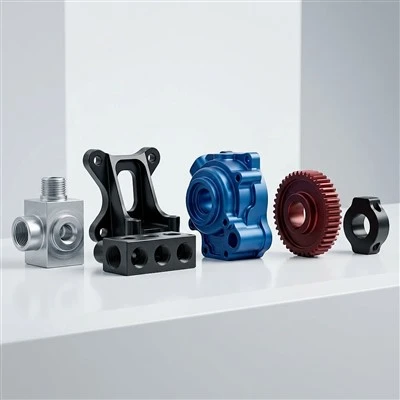
We are a vendor of custom anodized aluminium parts and have observed the transformation of these parts by the anodising process. Anodising isn't just about making aluminium look pretty. Anodising is a complicated chemical process that provides a variety of aesthetic and functional benefits. In this article, I'll describe how anodising changes the look of custom aluminium parts, and why it's a game - changer for many industries.
What is Anodizing?
Before we get to the looks part, let's cover quickly what anodising is. Anodising is an electrochemical process that changes the surface of the aluminium to a hard corrosion resistant oxide coating. This layer is created by dipping the aluminium portion into an electrolyte solution and sending an electric current through it. This gives you a strong protective layer that may be modified in many ways.
Anodising and Colour Effects
Colour is one of the most visible effects of anodising on the appearance of custom aluminium parts. The colour of anodising is sunk into the oxide layer, so it won't crack or peel readily, unlike paint or powder-coating.
Natural Colour
If you anodize aluminium without adding any colourants, it will have a natural, metallic shine. The colour can vary from a light silver to a gold-brown, depending on the alloy and the anodising treatment conditions. This natural appearance is often selected in situations where a clean, industrial design is desirable such as architectural structures or high priced consumer gadgets.
Coloured Dyes
If you want a burst of colour on your custom aluminium parts, anodising provides a wide variety of choices. The porous oxide layer formed after anodization can be imbued with colours, which are subsequently sealed in place. Depending on how you want your home to look, you can choose from brilliant reds and blues to more muted earth tones. This is ideal for branding or for a unique look to your product. For example, anodized aluminium parts in the automobile industry can be customised to specific colours to improve the overall look of a car. For additional colours, see our Colour Anodising Titanium service.
Surface Finish and Texture
Anodising can also play a big role in the surface texture and quality of custom aluminium parts.
Sleek Finishing
Aluminium pieces can be treated using an anodising technique for a smooth, consistent surface. Besides looking good, the smooth finish makes it easy to clean and preserve the parts. It is best suited for applications requiring a sleek modern style such as furniture or ornamental objects.
DULL
You can anodize for a matte finish, for a more muted and elegant effect. Its matte coating eliminates glare and gives the pieces a subdued look. It is typically utilised in applications where a non-reflective surface is essential, such as camera equipment or aeronautical components.
Brushed Finish
A brushed finish combined with anodising can give a distinctive, fashionable appearance. The brushed texture gives the part a sense of depth and dimension, while the anodized coating protects the surface. This is a popular finish for the consumer electronics sector, as it gives devices a high-end, luxury feel.
Durability and Longevity Appearance
Anodising not only enhances the original appearance of unique aluminium components, but also maintains the items' good looks throughout time.
Corrosion Resistant
The anodized oxide coating makes the pieces corrosion resistant, so they won't rust or discolour readily. This is particularly crucial for components in severe environments, such as outdoor or marine applications. Anodising helps prevent corrosion, keeping the pieces looking like new for years to come.
Wear Resistance
anodised aluminium parts are more resistant to wear and tear than non - anodised parts. The strong oxide layer resists scratching and abrasion to help maintain the appearance of the parts. This is important for sections that are often gripped or rubbed like tool handles or machinery parts.
Types of Anodising and Their Impact on Appearance
The way custom aluminium parts look is influenced by the sort of anodising technique used, and there are several types available.
Anodising Type II
The most frequent anodising process is type II anodising (sulfuric acid anodising). It forms a reasonably thin oxide layer which can be used in many applications. Type II anodising can give a smooth and lustrous surface and is easily coloured in a range of colours. For additional information, see our Type II Anodising Service.
Type-III Anodize
Type III, or hard anodising, creates a thicker and tougher oxide coating than Type II. This kind of anodising is typically utilised for applications that require strong wear and corrosion resistance. Type III anodized parts tend to be more matte and less reflecting than Type II anodized parts.
Application and Aesthetic Significance
Anodized custom aluminium parts are versatile enough to be used in many applications.
Architectural Uses
Anodized aluminium pieces are utilised in architecture for window frames, doors, decorative facades and a lot more. Architects can also take use of the option of a variety of colours and finishes, allowing them to develop unique and visually appealing designs. The anodized aluminium is so durable that these architectural pieces will keep their appearance for decades.
Consumer Goods
Anodized aluminium parts are utilised in consumer items including smartphones, laptops and other electrical gadgets. The sophisticated, contemporary appearance of anodized aluminium gives these products a luxurious feel that makes them more desirable to consumers.
Automotive Sector
Anodized aluminium parts are widely utilised in the automotive industry for wheels, trim, and engine components. Anodising can be used by automobile makers to get bespoke colours and finishes to make their cars stand out.
Metal Surface Finishing for Improved Performance
Anodising is only one of our Metal Surface Finishing Services for Enhanced Performance. We also provide a selection of different finishing options to further refine the appearance and performance of your custom aluminium parts. We can work with you to get the exact finish, no matter if you need a certain colour, texture or durability.


Why Choose Our Anodized Aluminium Parts Custom?
We have the knowledge and know how to provide high quality parts with the look you want, being a manufacturer of custom anodized aluminium parts. We anodize all parts using state-of-the-art equipment and processes to assure the highest quality. Our team of professionals may consult with you to determine your specific requirements and offer the finest anodising method and finish for your application.
If you're looking for bespoke anodized aluminium parts, we want to hear from you. Whether you are an architect, a product designer or an automotive producer, we have the elements you need to bring your concept to reality. Contact us to discuss your project and receive a price.