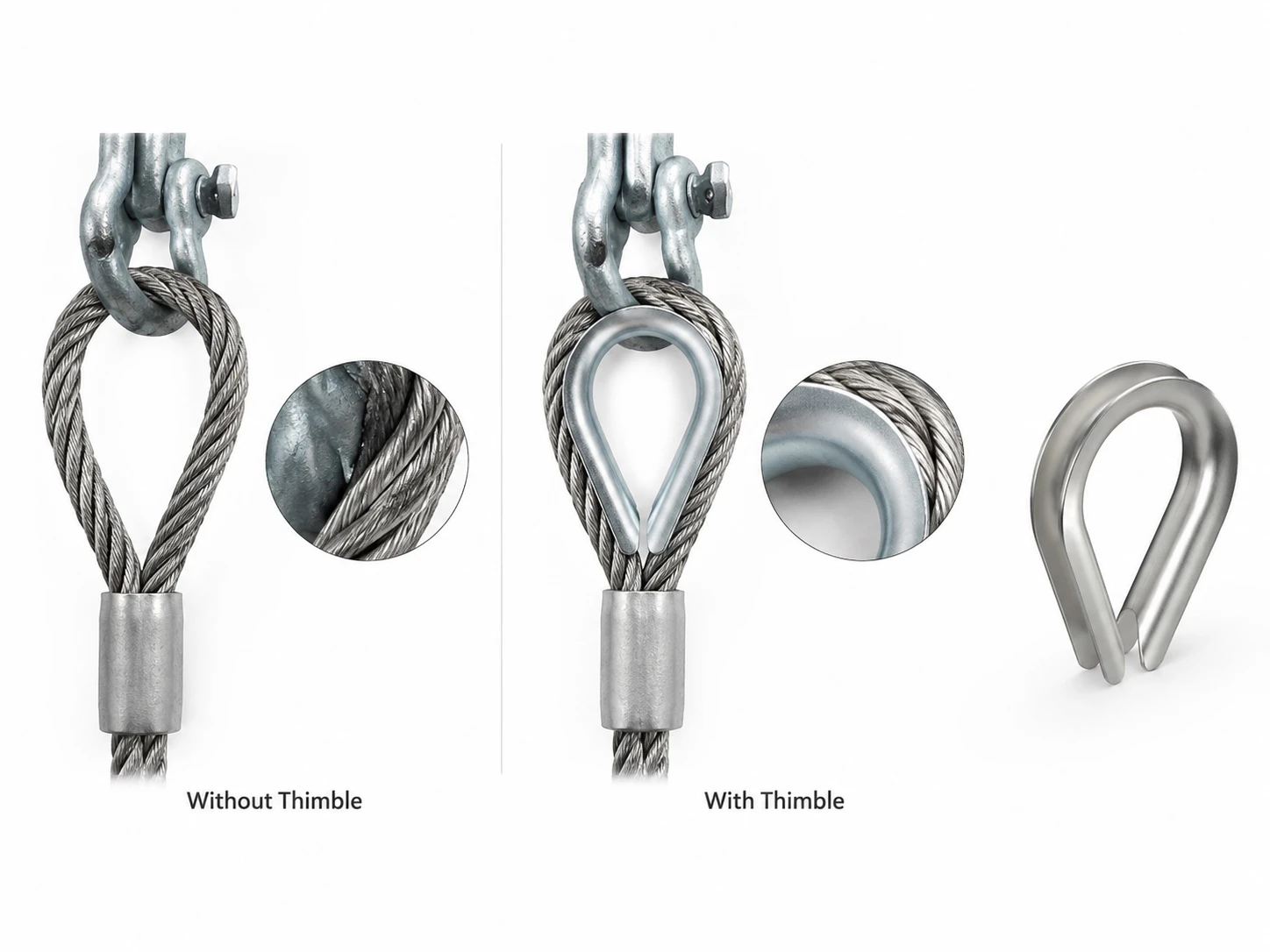
A rope thimble is inserted within a rope eye to maintain the form of the eye and provide a protective surface where the rope is attached to a hook, shackle, or other hardware.
Without a thimble, the rope where it contacts the connecting hardware might be worn by repetitive contact. A properly fitting thimble helps avoid direct abrasion and promotes a more constant rope-eye shape.
When selecting Custom Rope Thimbles, ensure the correct rope diameter, groove profile, eye size, and connecting hardware are chosen for the assembly.
Where Custom Rope Thimbles Are Used
Rope thimbles protect rope eyes from direct contact with connecting hardware and help maintain loop shape. Their design should match the rope type, connection geometry, and working environment.
Wire Rope Assemblies:
Support rope eyes and reduce direct abrasion against compatible hardware.
Cable and Tensioning Systems:
Help maintain the cable eye while ensuring proper fit with the attachment point.
Marine and Outdoor Equipment:
Require suitable materials and finishes based on moisture, corrosion exposure, and operating conditions.
Industrial and Custom Assemblies:
Accommodate specific dimensions and installation constraints through drawing-based customization.
These applications require appropriate component selection. For lifting, rigging, or other safety-critical uses, verify that the complete assembly meets applicable requirements. Do not assume a custom rope thimble has a rated working load or certification unless it is specifically established and documented.
Choosing the Right Geometry for Your Assembly
A rope thimble should match the rope diameter, eye size, and connecting hardware. These dimensions affect fit, contact, and installation clearance.
Inner Profile and Rope Diameter
The groove should accommodate the rope without excessive compression or looseness. Since rope construction affects flexibility and fit, confirm the actual diameter and rope type when requesting Custom Rope Thimbles. A drawing or sample can help clarify the required profile.
Overall Dimensions and Opening
The thimble's length, width, and opening determine how it fits within the rope eye and surrounding hardware. Check these dimensions together to avoid clearance issues, especially in compact assemblies.
Edge Conditions and Contact Surfaces
Smooth contact surfaces and properly finished edges help reduce the risk of rope damage. Specify any required radii, edge breaks, or surface-finish details on the drawing, particularly for applications involving repeated movement or vibration.
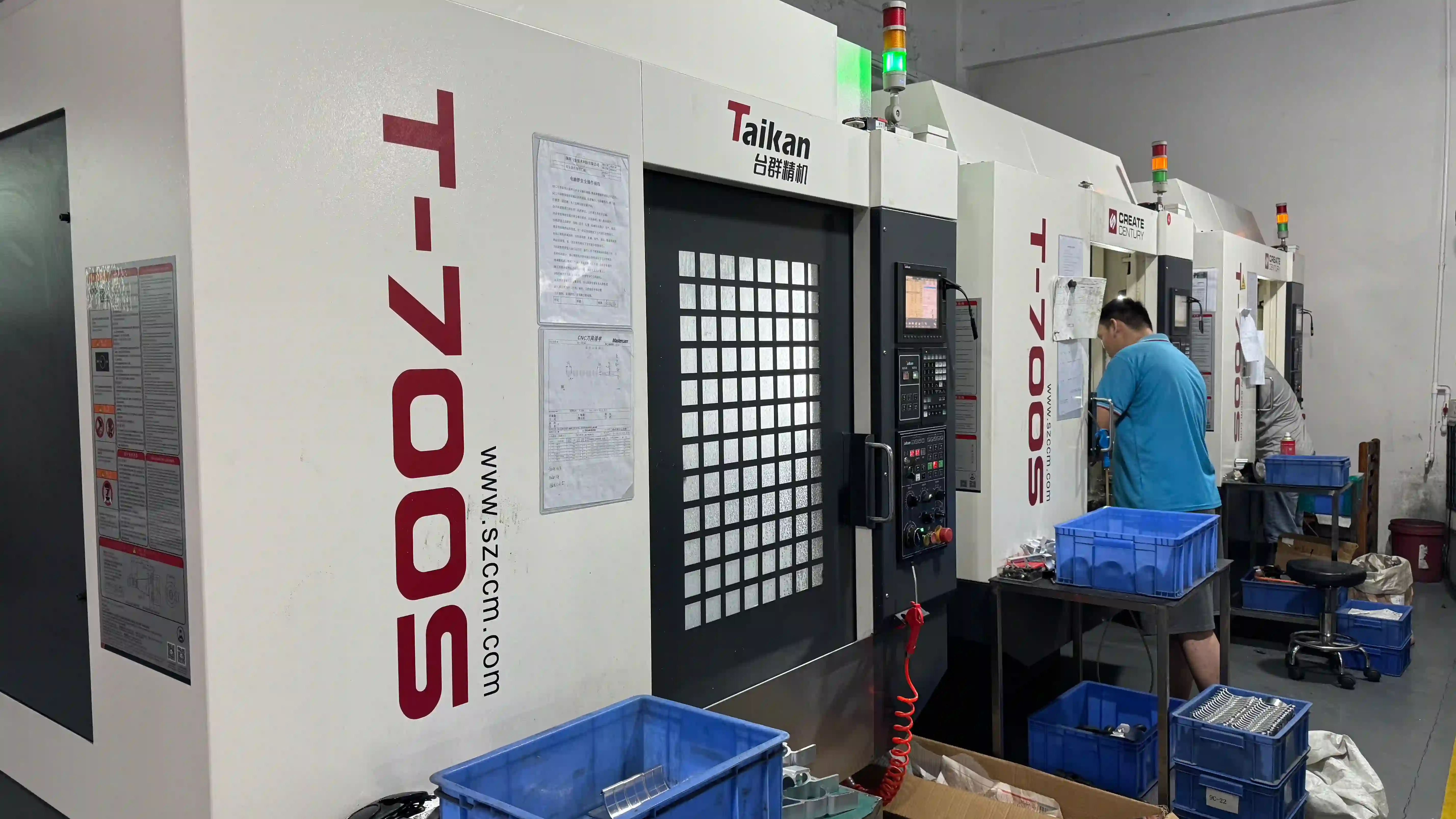
Our factory


Hot Tags: custom rope thimbles, China custom rope thimbles manufacturers, suppliers, factory