


A tightened bolt stretches slightly, creating the clamping force that holds a joint together. Plastic behaves differently from metal. Under constant pressure, it can gradually deform through creep, reducing clamp load over time. Heat can accelerate the process, while stress around the fastener hole may lead to cracking under certain conditions.
A compression sleeve helps prevent this by transferring the clamping force through a metal sleeve rather than relying on the plastic to withstand the full load. When correctly sized, it limits compression and helps the joint retain its shape during service.
It serves a different purpose from an aluminum standoff spacer, which maintains a set distance between components. A standoff controls spacing; a compression limiter helps protect a plastic joint from excessive compression.

Compression Sleeve Types and Installation Methods
Compression sleeves are available in several designs to suit different housing structures and assembly methods.
Split sleeves feature an open seam that allows the sleeve to fit over a shaped or D-profiled boss. Their spring tension helps retain the sleeve, while locating grooves can provide additional resistance to axial movement.
Slotted sleeves have openings in the outer wall that allow plastic to flow through during insert moulding. Once the material solidifies, it helps lock the sleeve in place and resist rotation or pull-out. These designs are best considered during the housing design and mould development stages.
Knurled press-fit sleeves are installed after moulding. Their textured outer surfaces grip the plastic bore, helping keep the sleeve in position without requiring a separate fastening method.
Flanged sleeves add a wider bearing surface at one end. The flange can help control insertion depth and distribute contact pressure around the mounting hole. Brass versions may also suit applications where electrical conductivity is required.
The right design depends on the housing geometry, installation sequence, retention requirements and available space.

Materials and Finishes, Picked by the Environment
|
Material |
Key Characteristics |
Typical Applications |
Finish Options |
|---|---|---|---|
|
Carbon Steel |
Good strength and suitable for many general-purpose compression limiting applications. Corrosion protection may be needed depending on the environment. |
General industrial housings and plastic assemblies |
Zinc plating or other specified protective coatings |
|
Stainless Steel |
Offers corrosion resistance, with performance depending on the grade and service environment. |
Equipment housings and assemblies exposed to moisture |
Passivation or other suitable specified finishes |
|
Aluminum |
Lightweight and easy to machine. Load capacity and wear resistance should be assessed for the application. |
Weight-sensitive assemblies and selected equipment housings |
Anodizing, where compatible with the design |
|
Brass |
Offers electrical conductivity and good machinability. Mechanical properties depend on the alloy. |
Assemblies requiring conductivity or specific machining characteristics |
Natural machined finish or a specified plating |
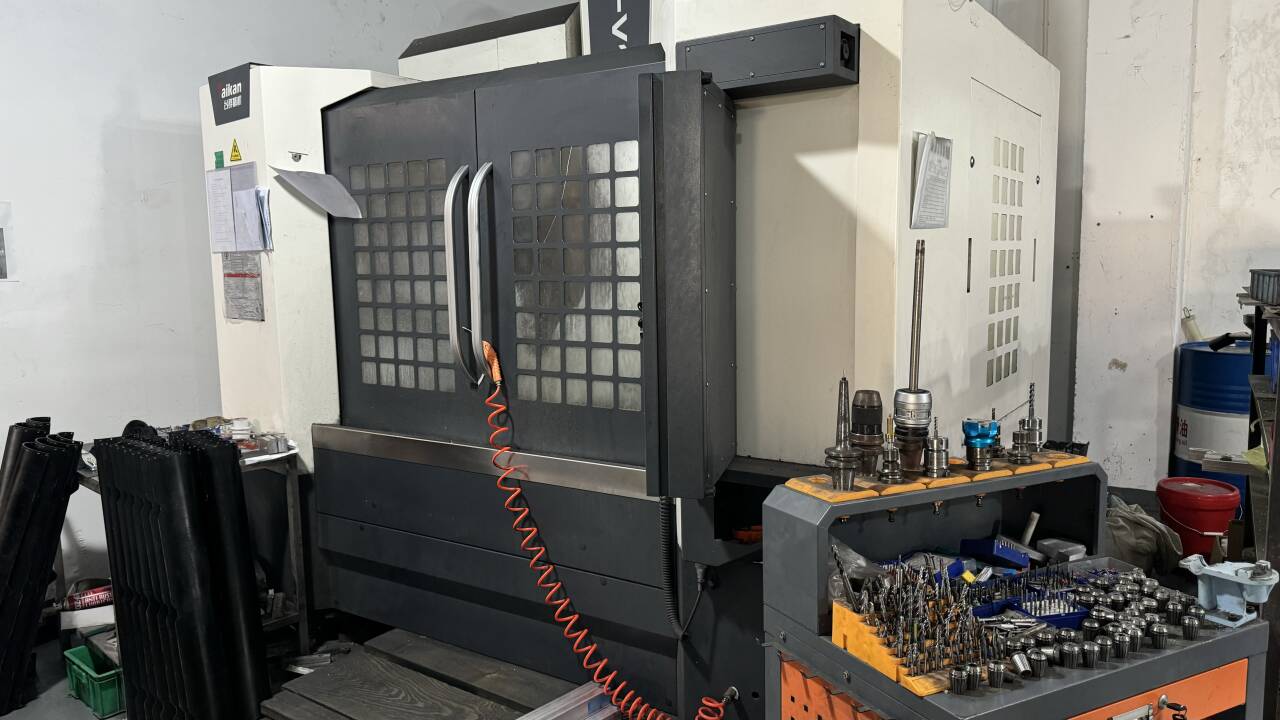
Our factory


Hot Tags: cnc machined compression sleeves, China cnc machined compression sleeves manufacturers, suppliers, factory


