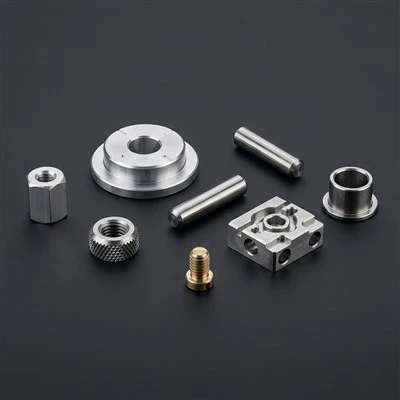
Even with advanced 5-axis CNC systems, optimized toolpaths, and high-end cutting tools, burr formation cannot be completely eliminated.
This is not a machining defect-it is a physical behavior of material deformation at the tool exit point.
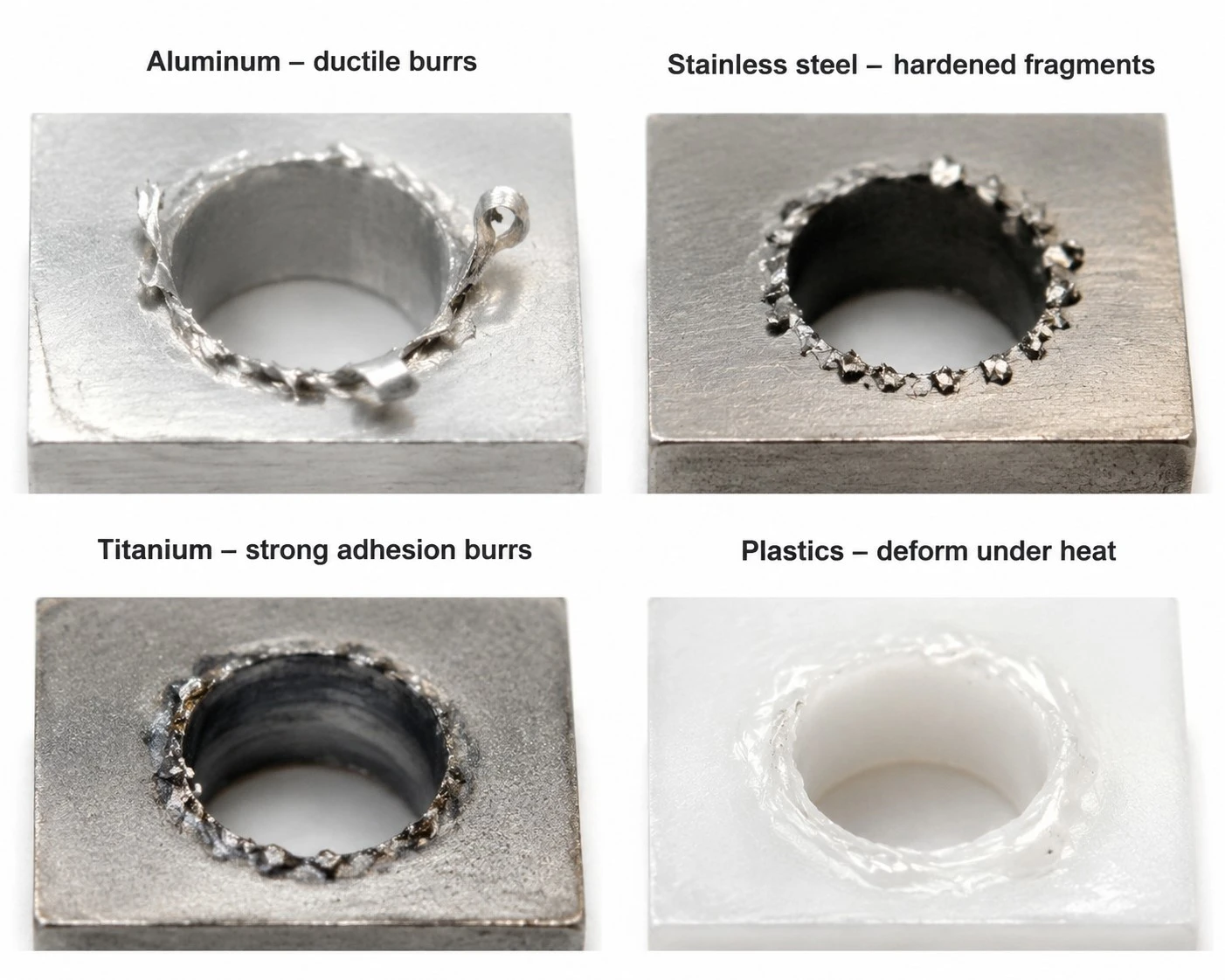
Different materials behave differently:
Aluminum forms ductile burrs
Stainless steel creates hardened fragments
Titanium produces strong adhesion burrs
Plastics deform under heat
Each type requires a different removal method.
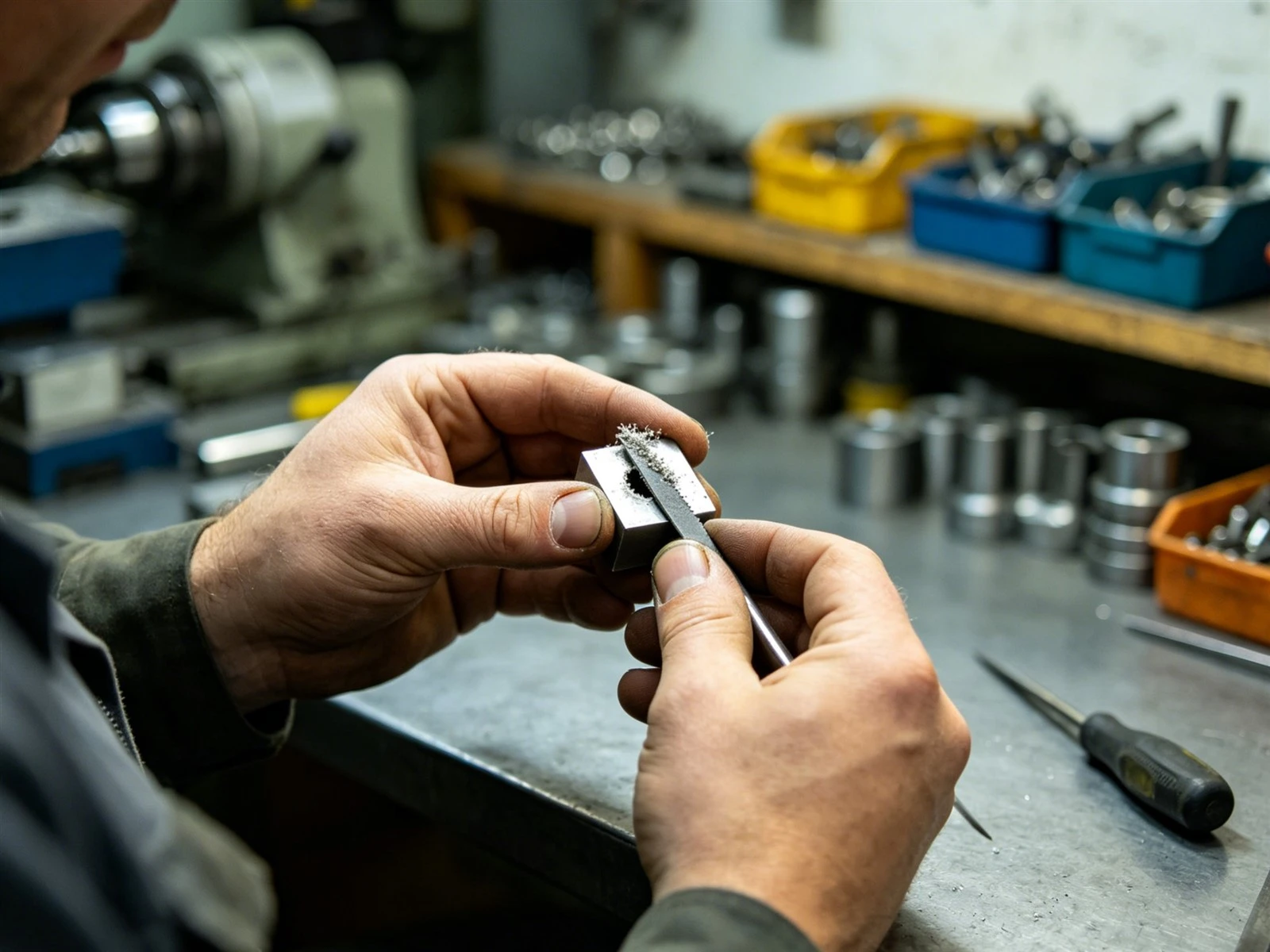
Manual deburring works for prototypes, but not for production.
Three main issues appear in scale manufacturing:
First, inconsistent edge quality.
Second, poor access to internal features.
Third, rising labor cost and slow throughput.
For engineering production, these variations create risk in assembly and performance.
Need for Automation
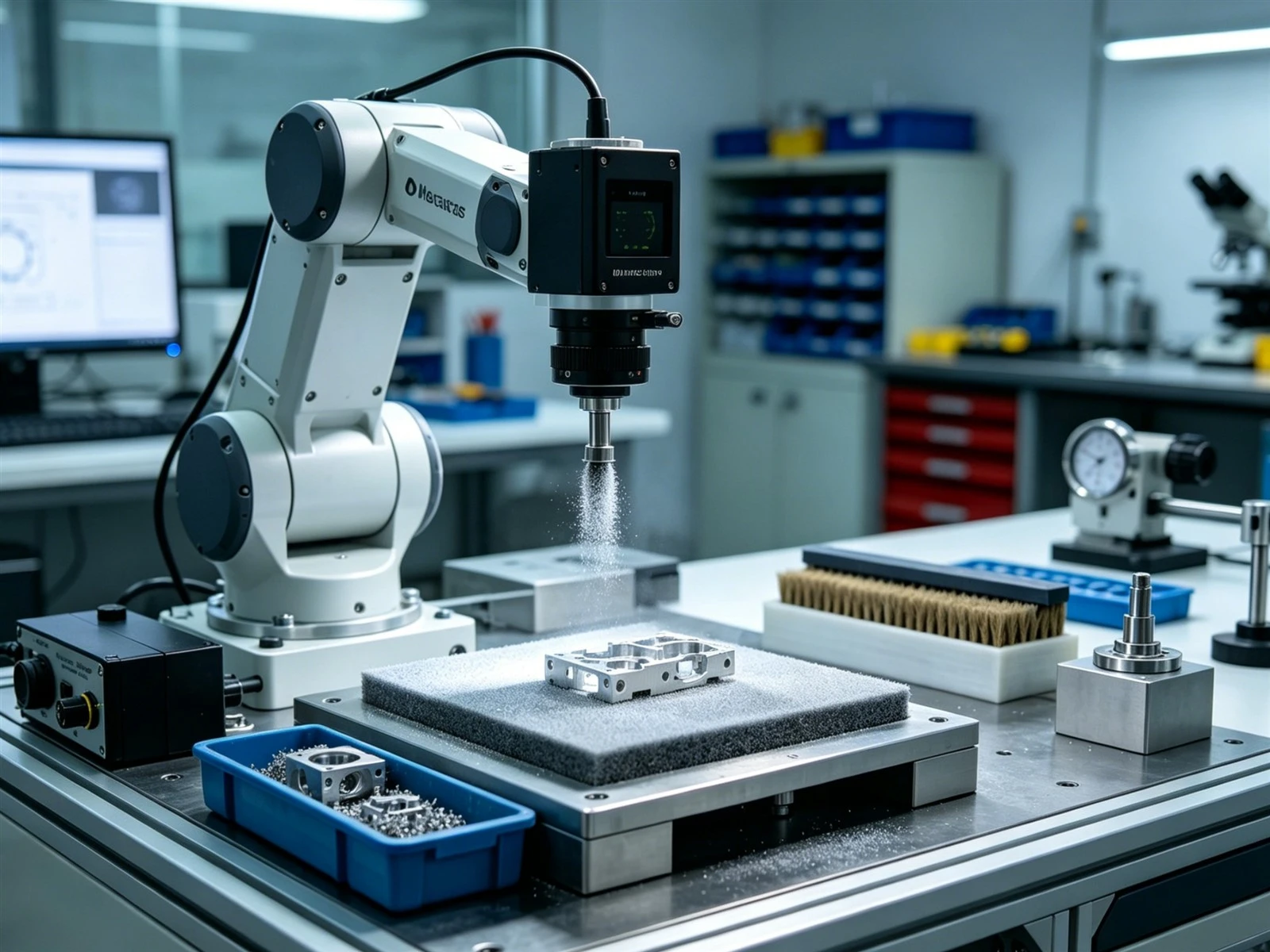
Automated deburring is a controlled process, not manual replacement.
Key-CNC applies parameter-based systems including:
Edge rounding tools
Controlled brushing systems
Abrasive finishing methods
CNC-based deburring paths
The goal is stable edge condition, not material over-removal.
Controlled Edge Finishing
At Key-CNC, automated deburring services are not applied as a uniform operation.
Each part is processed based on geometry, tolerance requirements, and functional surfaces.
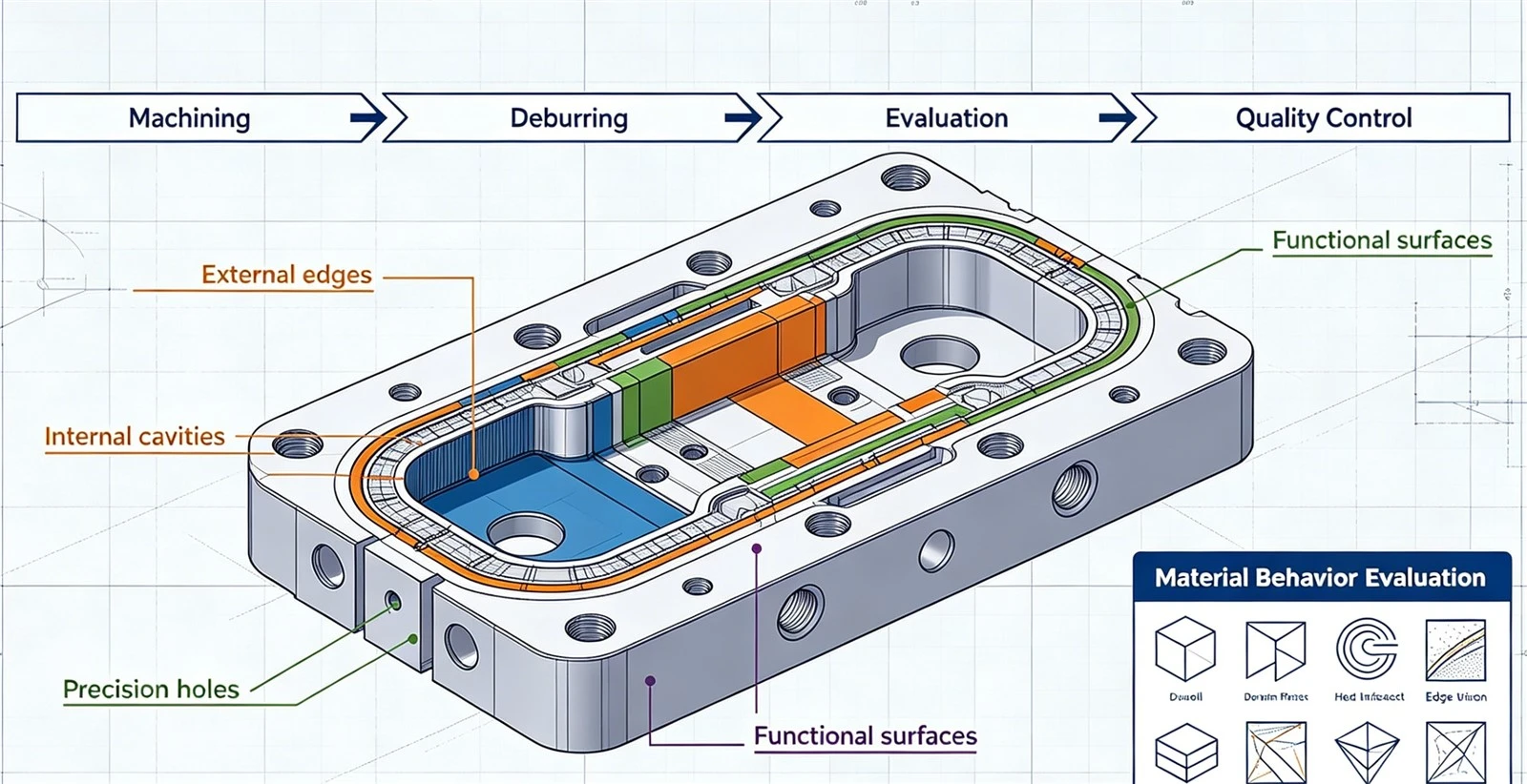
- External edges are rounded under controlled parameters
- Internal cavities are processed with targeted access tools
- Precision holes receive low-impact finishing
- Functional faces are protected from dimensional change
This ensures edge quality without affecting part accuracy.
Impact on Part Performance
Edges directly affect mechanical behavior.
Sharp or irregular edges increase stress concentration and fatigue risk.
They also affect:
- Coating uniformity
- Assembly fit
- Long-term sealing performance
Edge quality is a functional parameter, not appearance.
Process Integration
At Key-CNC, deburring is integrated into machining workflow.
Each part is evaluated based on geometry and material behavior.
Different zones are processed separately:
External edges
- Internal cavities
- Precision holes
- Functional surfaces
This prevents dimensional distortion while improving edge quality.
Material Sensitivity
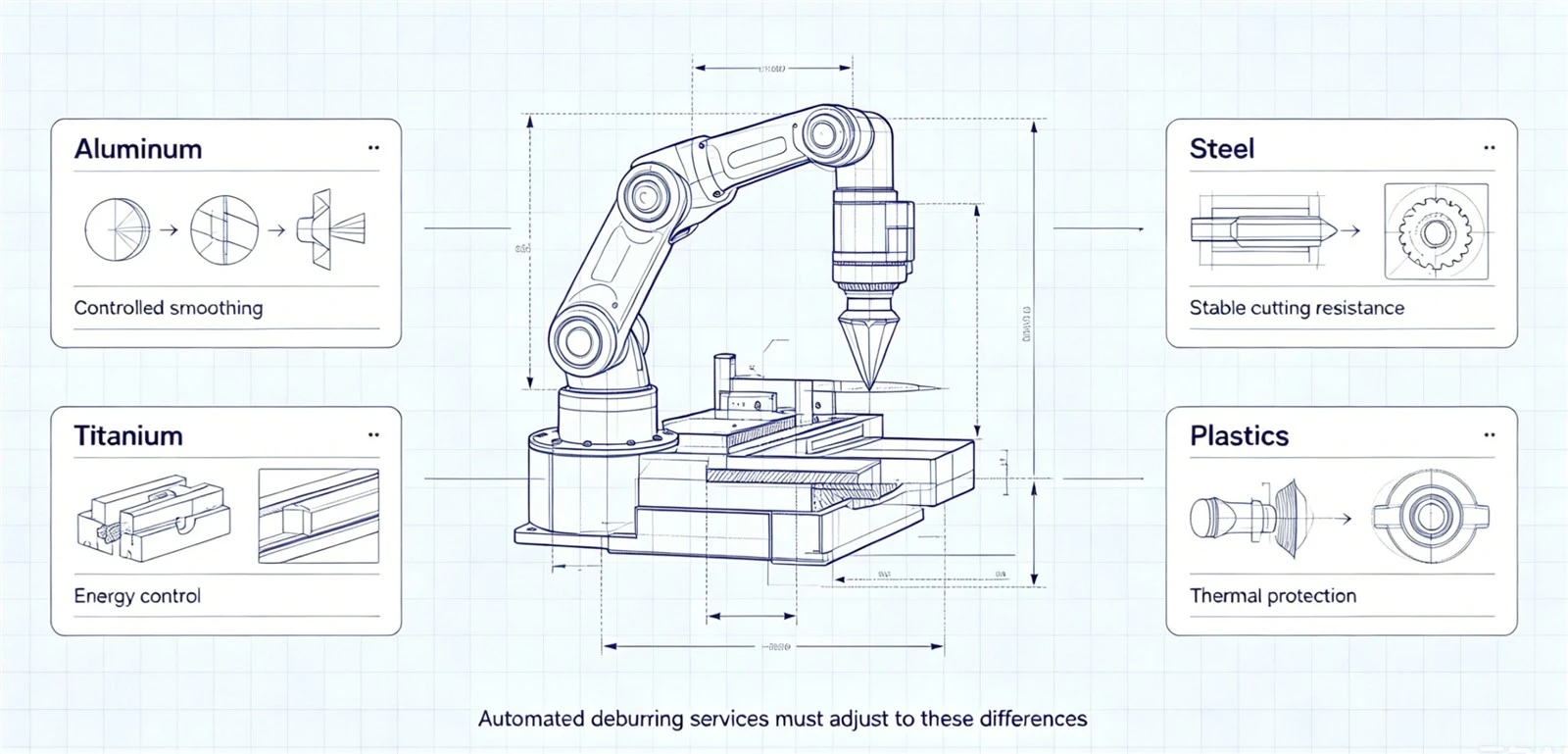
Different materials require different processing logic.
- Aluminum needs controlled smoothing.
- Steel requires stable cutting resistance.
- Titanium needs energy control.
- Plastics need thermal protection.
Automated deburring services must adjust to these differences.
Quality Control Steps
Quality control is not a final step.
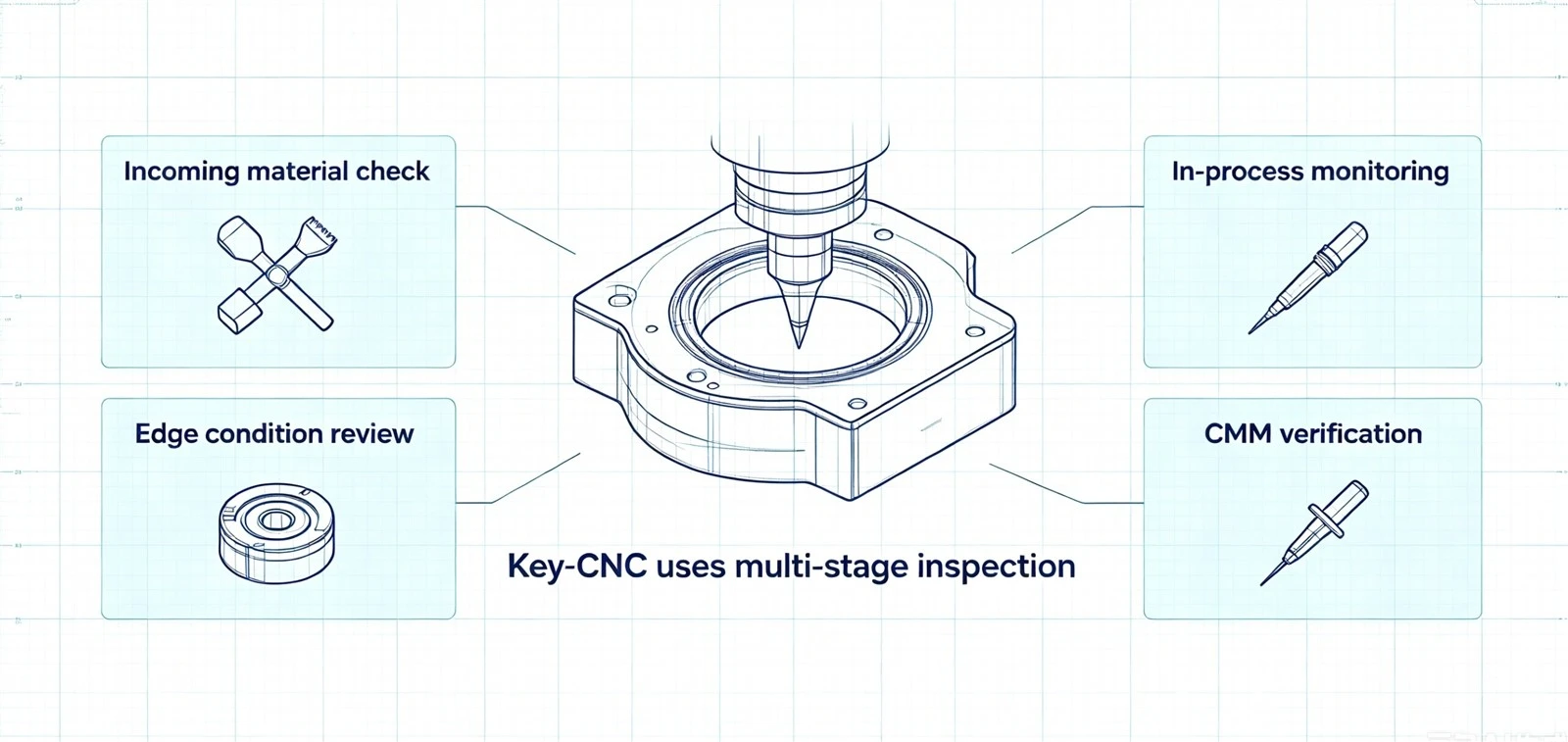
Key-CNC uses multi-stage inspection:
- Incoming material check
- In-process monitoring
- Edge condition review
- CMM verification
This ensures stable batch consistency.
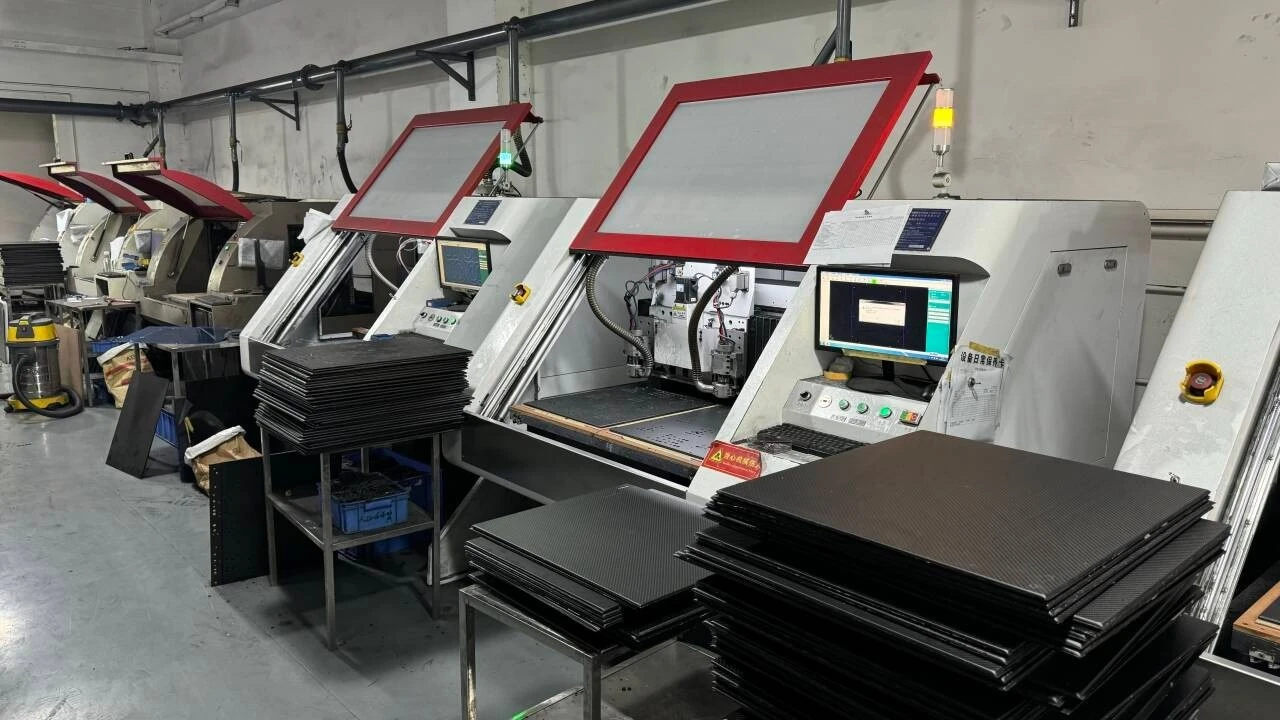
We process each part under defined machining and finishing parameters, ensuring that the same workflow is applied from prototype development to mass production.
Our inspection standards and edge quality requirements are kept consistent throughout the entire process. This helps reduce variation between batches and ensures that the final parts behave as expected in downstream assembly and application.
Hot Tags: automated deburring services, China automated deburring services manufacturers, suppliers, factory