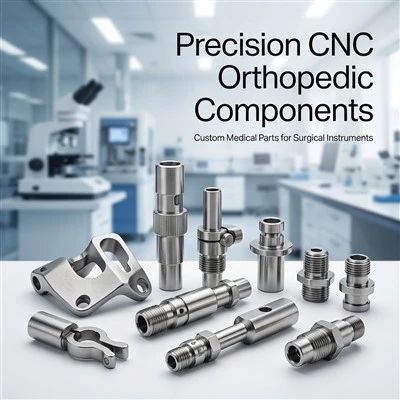
For a lot of industries, such as automotive, hydraulic, aerospace, and commercial furniture manufacture, tube slotting is particularly important since it makes sure that the finished product fits together and works properly. A company in the Midwest that makes parts for cars recently complained about a common problem in the industry: before it started using structured tube slot milling methods, its crew threw away 12% of the 6061 aluminium exhaust tubing slots. The tubing broke while it was being machined because the cuts weren't even and the walls were too thin. The plant was able to lower scrap rates to less than 2% in just two weeks by improving the tools and workholding methods it used. This is a great example of how using the right, standardised processes can swiftly boost a manufacturing company's profits. Here is the whole step-by-step guide for tube slot milling, along with examples of how it has worked in the past.
Step 1: Choose the right tools for the job and the material. This is an example from the car business.
The right tools are the most critical aspect of perfect tube slot milling. Regular end mills don't work well on tubing with narrow walls. A solid carbide end mill with a TiAlN coating and modified flute geometry is the best choice for most jobs. It is stiffer and can handle more heat than high-speed steel. A California business that develops hydraulic parts employed this method on 304 stainless steel tubing with a 1.5-inch outside diameter and a 0.08-inch wall for high-pressure valve slots. They stopped using HSS cutters that were not specific to slots and started utilising carbide tools that were. This stopped the tools from chipping, made them last six times longer, and kept the slot width within ±0.001 inch. Don't use cutters that are too big, because then radial pressure will build up. Before using the tool, make sure that its diameter is the same as the width of the slot. Use extended-reach tools only when you actually need to.

Step 2: Hold the workpiece in place so it doesn't vibrate or change shape.
The main reason tube slotting doesn't work is that the workholding isn't strong enough, especially for tubes that are lengthy or have thin walls. Generic vices can often crush or misalign hollow tubes because they don't hold their shape very well. A subcontractor in the aerospace industry that makes titanium alloy aircraft tubing fixed this problem by using tube vices with special padding and soft jaw inserts. This carefully distributed clamping pressure keeps the tube round and protects the finish on the outside. The crew inserted mid-length support brackets inside 4-foot-long slots to keep the structural tube from sagging. This cut update made vibrations go down by 70%. Always make sure the axes are lined up correctly before cutting, and don't tighten the clamps too much. If the parts are even 0.002 inches off, they might not fit together.

Step 3: Cut along a line that you can see so you don't hurt the wall.
Small and medium-sized fabrication companies often make the error of quickly plunging directly into the tube walls, which breaks tools and damages the walls within. The easiest approach to fix the problem, according to the industry, is to make the entrance a gradual ramp down at a 45-degree angle. It progressively pushes the cutter into the material and spreads the cutting pressures equally along the wall of the tube. The same crew who made exhaust tubes for cars in the Midwest used this method, but instead of full-depth single passes, they used multi-pass layered cutting for slots that are 0.3 inches deep. This minor but important change got rid of all the sharp burrs and thin walls. It cut the time it took to deburr by 40% and sped up the whole manufacturing cycle by a lot. Always change the spindle speed and feed rate to fit the material of the tube. When working with strong metals like titanium and stainless steel, use slower feeds. When cutting aluminium, use feeds that are a little faster to keep the material from sticking to the cutter's flutes.

Step 4: Get rid of the chips and let them cool down to keep the quality the same.
The tiny cutting areas of tube slots can cause chips to build up and silently wear down the tool's life and the shine on the surface. The company that makes hydraulic parts employed flood coolant and short bursts of compressed air to keep chips from building up while milling. This stopped the need to cut shavings again and kept the heat from changing the shape of the substance. Adding short intervals for cleaning chips out of deep slots in CNC automated machines makes them even more dependable. There were no reports of tools getting dull or slots getting jammed during runs of 5,000 pieces. It is important for long-term, high-volume production to keep instruments cold so that their coatings don't come off.

Step 5: Last Checks and Quality Control
A light, low-feed pass at the end will get rid of small burrs and smooth off the edges of the slots. This will make things easier for you after machining. Before starting batch production, all three case study teams used callipers and slot gauges to quickly inspect the width, depth, and alignment in-house to make sure everything was correct. This second-to-last stage finds difficulties early on, so that parts don't have to be thrown away in huge amounts, and they fit the customer's assembly needs.

To learn how to accomplish high-quality tube slot milling, you don't need to buy a lot of new machines or make costly alterations. You only need consistent processes, tools that operate well, and approaches that have been used successfully in real businesses. All three manufacturers were able to lower their prices, make more parts every day, and, over time, improve the quality of their parts by following these steps in the right order. This guide is perfect for small job shops that want to generate more money, big businesses that want to make their workflows more efficient, and buyers who want to find long-term tube milling solutions they can trust.
Check out our full line of precise tools, tube milling cutters and specialised workholding fixtures that are made particularly for cutting great slots. They work well with tubes composed of steel, aluminium, stainless steel, and titanium, whether they are small or large.