

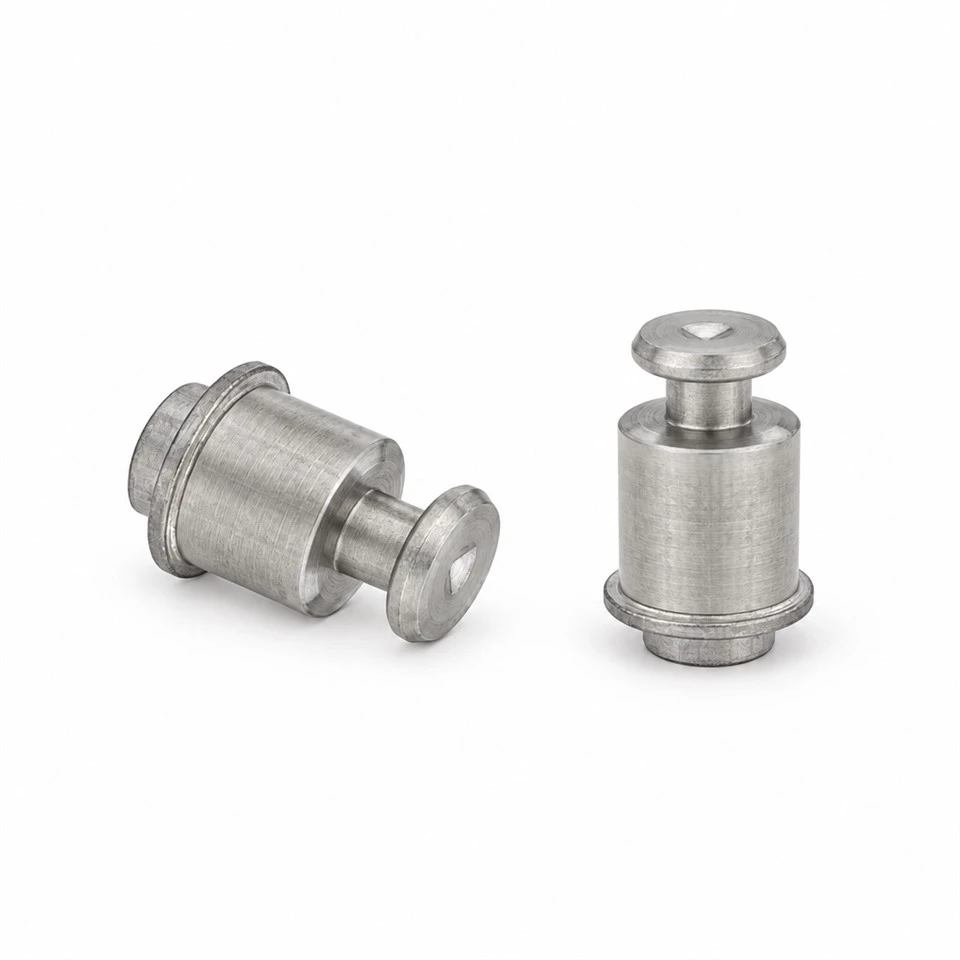
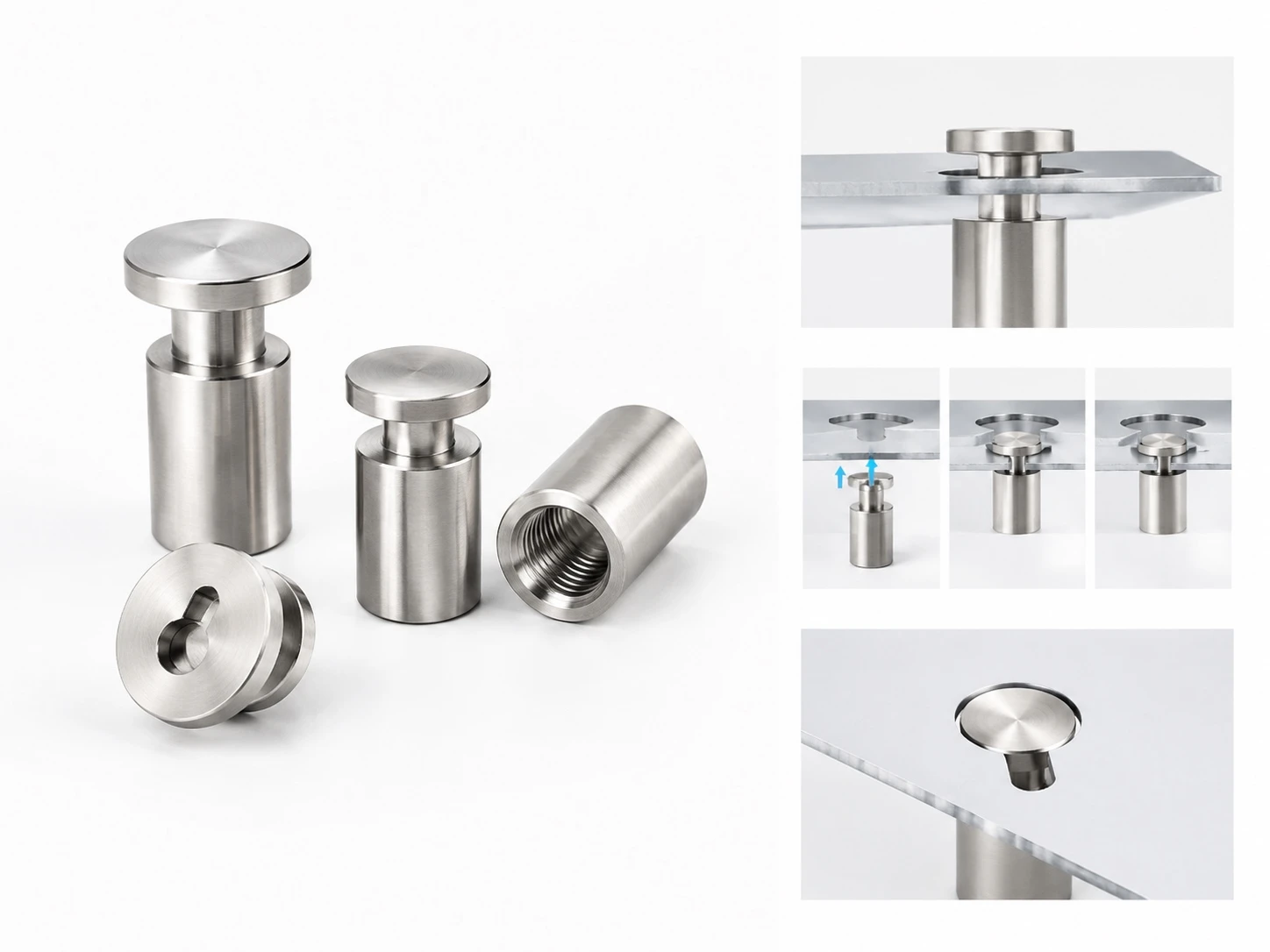
Unlike conventional screw-mounted panels, a keyhole mounting system allows a panel to slide into position without repeatedly tightening or removing individual screws. The larger opening passes over the fastener head, while the narrower slot engages the neck to hold the panel in place.
For Stainless Steel Keyhole Standoffs, proper fit depends on three key factors:
- Entry clearance: The opening must accommodate the fastener head.
- Engagement fit: The slot width must match the neck diameter.
- Panel alignment: Standoff height and slot positioning must provide adequate clearance for surrounding components.
Matching these dimensions helps ensure smooth installation, proper seating, and reliable panel positioning.
Why Choose Stainless Steel?
Stainless steel offers corrosion resistance and durability for a wide range of fastening applications. However, its performance depends on the material grade, operating environment, and assembly requirements.
When selecting Stainless Steel Keyhole Standoffs, consider four factors:
- Corrosion resistance: Choose a suitable grade based on moisture exposure and environmental conditions.
- Mechanical strength: Ensure the material and dimensions meet the assembly's load requirements.
- Material compatibility: Consider potential corrosion when stainless steel contacts aluminum or other metals in damp environments.
- Surface finish: Specify the required finish based on appearance and application needs.
Confirming these requirements early helps ensure the standoffs are suitable for the intended application.
Stainless Steel Keyhole Standoffs vs. Conventional Mounting Hardware
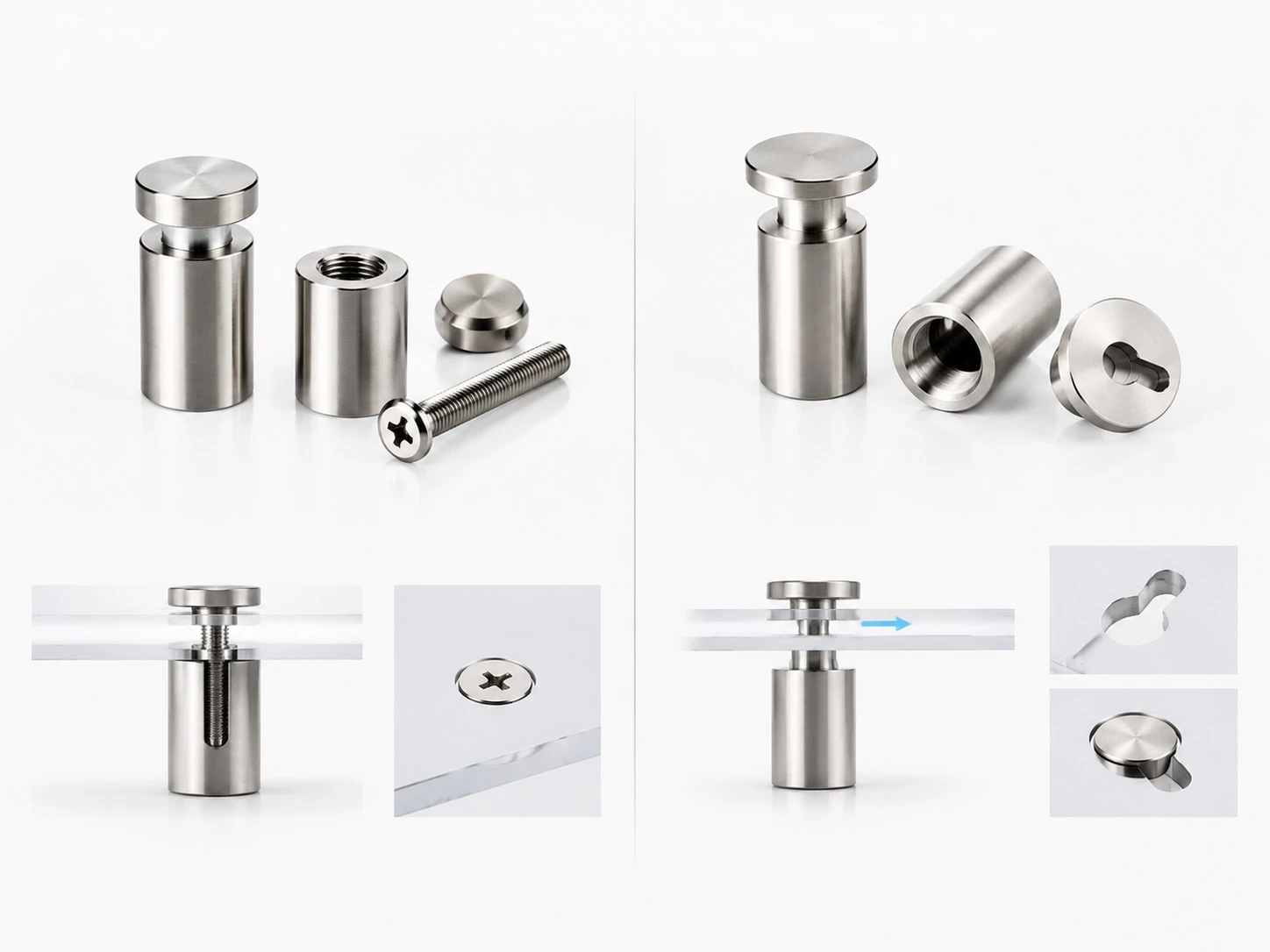
The choice between a keyhole interface and conventional screws depends on how the assembly will be used.
A screw-mounted panel may be preferable when the connection requires direct clamping, defined tightening torque, or resistance to movement in multiple directions. It may also be the simpler choice when removal is infrequent.
A keyhole-style arrangement is worth evaluating when the panel needs to be positioned through a sliding movement and removed without repeatedly handling every mounting fastener. Its usefulness depends on the panel opening, available movement, and the need for additional retention.
The two approaches should not be compared on installation convenience alone. Load requirements, service conditions, assembly tolerances, and safety considerations remain central to the decision.
For applications where a panel must remain secured under vibration or accidental movement, engineers should verify whether the keyhole interface needs a separate screw, latch, stop, or other retention feature.
Our factory


Frequently Asked Questions
What information is needed to order Stainless Steel Keyhole Standoffs?
+
-
Provide the required dimensions, stainless steel grade, surface finish, mating panel details, quantity, and application. A technical drawing or CAD model is the preferred starting point for reviewing a custom design.
Can the dimensions be customized?
+
-
Custom dimensions can be evaluated through KEY-CNC's manufacturing service. The available design options and production method depend on the geometry, material, tolerances, and order quantity. Submit your drawing for review before assuming a particular configuration is available.
Do keyhole standoffs eliminate the need for screws?
+
-
Not necessarily. A keyhole interface can simplify panel engagement and removal, but some assemblies require a separate screw or another retention feature to prevent unintended movement. The decision depends on the mechanical design and service conditions.
Are stainless steel keyhole standoffs suitable for outdoor equipment?
+
-
They may be suitable for some outdoor applications, but the answer depends on the stainless steel grade, exposure conditions, surface finish, and contact with other materials. Confirm the operating environment before selecting the material.
How can I check whether a design will fit my panel?
+
-
Compare the fastener head, neck, shoulder, and height with the panel opening and thickness. Review the intended sliding direction, final position, and required clearance. A drawing showing both the fastener and mating panel will help identify potential interference before production.
Hot Tags: stainless steel keyhole standoffs, China stainless steel keyhole standoffs manufacturers, suppliers, factory


