


Wood, plywood, MDF and particle board are easy to screw into, but repeated assembly can eventually damage the material around a conventional screw hole. A four-prong insert nut provides a more repeatable fixing point by adding a metal internal thread to the panel.
The insert is fitted into a pre-drilled hole, with the four prongs biting into the material to help prevent the nut from turning. Its internal thread then accepts a matching machine screw or bolt, allowing the joint to be assembled and removed without cutting a new thread directly into the panel. Woodstock Industrial Supplies
The design is simple: the barrel provides the thread, the flange seats against the panel, and the four prongs help resist rotation. Choosing the correct hole size, insert dimensions, and panel thickness is important for a secure installation.

Installation Practice That Protects the Board
Keep the insert nut square to the panel during installation, with the prongs facing the pre-drilled hole. It can be installed with a press or by carefully striking a suitable driver block placed against the flange. For repeated production work, a press helps provide more consistent installation.
Apply force to the flange rather than the threaded barrel, and drive the insert until the flange is properly seated against the panel surface. Avoid excessive force, as this can damage the insert or the board.
The final seating should be checked visually. The flange should sit evenly against the panel without obvious gaps or excessive sinking. If the insert does not seat correctly, check the hole size, panel material, and installation method before continuing.
Where the Part Is Used
Four-prong insert nuts are commonly used where a removable threaded connection is needed in wood and wood-based panels. They are found in speaker cabinets, furniture, cabinets, woodworking fixtures, and other panel assemblies where bolts or machine screws need a reliable threaded fixing point.
They are particularly useful when the joint may need to be assembled and removed more than once. The metal internal thread provides the connection, while the four prongs grip the back of the panel and help prevent the insert from turning during assembly.
For thin sheet-metal panels, a different type of prong nut may be more suitable. The choice mainly depends on the material, panel thickness, and installation method rather than simply the application.

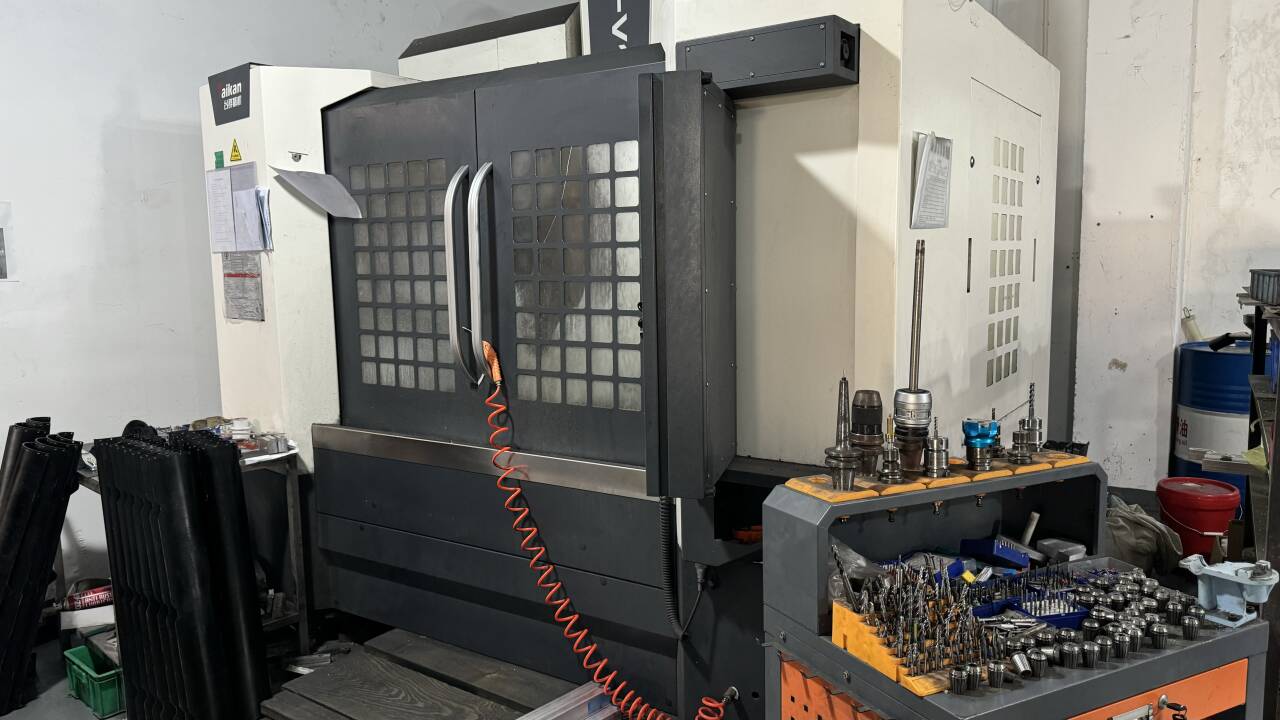
Our factory


Hot Tags: four prong insert nut, China four prong insert nut manufacturers, suppliers, factory


